When it comes to designing a building’s HVAC system, one important consideration is the placement of ductwork. suspended ducting is a popular choice for many buildings, providing numerous benefits for both the efficiency of the system and the overall aesthetics of the space. In this article, we will explore the advantages of using suspended ducting in HVAC systems, as well as some key considerations to keep in mind when choosing this option.
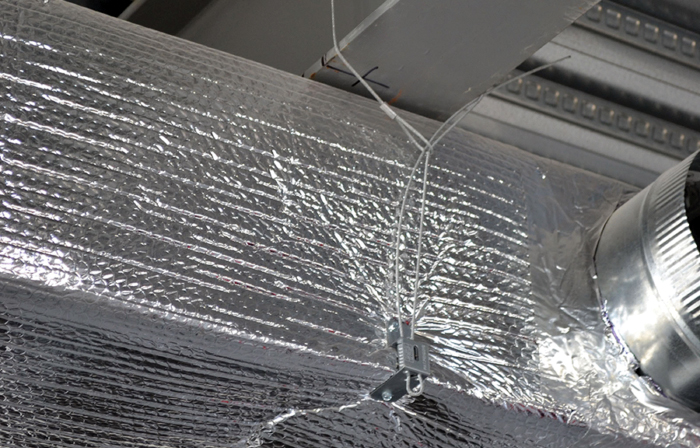
suspended ducting refers to ductwork that is hung from the ceiling or other overhead structures, rather than being installed within walls or floors. This method of installation offers several advantages over traditional ductwork systems. One of the primary benefits of suspended ducting is its flexibility. By suspending the ductwork from the ceiling, it can be easily repositioned or modified to accommodate changes in the building layout or HVAC system requirements. This flexibility can be particularly valuable in commercial buildings or other spaces where frequent alterations may be necessary.
Another key advantage of suspended ducting is its ability to improve the efficiency of the HVAC system. By hanging the ductwork overhead, airflow can be more effectively directed to specific areas of the building, resulting in better overall climate control. Additionally, suspended ducting can help to reduce energy consumption by minimizing duct leaks and improving the circulation of air throughout the space. This can lead to lower utility bills and a more comfortable indoor environment for building occupants.
In addition to its practical benefits, suspended ducting can also enhance the visual appeal of a space. Unlike traditional ductwork systems that may be hidden behind walls or ceilings, suspended ducting can be designed as a decorative element in its own right. This can add a unique and stylish touch to the overall design of the building, creating a more modern and industrial look. suspended ducting can also be painted or finished in custom colors or materials to further complement the aesthetics of the space.
When choosing to install suspended ducting in a building, there are several important considerations to keep in mind. First and foremost, it is essential to work with a qualified HVAC professional to ensure that the system is designed and installed correctly. Properly sizing and positioning the ductwork is crucial to achieving optimal airflow and efficiency, so it is important to consult with experts who have experience with suspended ducting installations.
Additionally, building owners should consider the maintenance requirements of suspended ducting systems. While these systems can be more accessible for inspection and repairs than traditional ductwork, they may still require regular cleaning and maintenance to ensure optimal performance. Building owners should establish a maintenance schedule with their HVAC contractor to keep the system running smoothly and efficiently.
Lastly, it is important to consider the cost implications of installing suspended ducting. While initial installation costs may be higher than traditional ductwork systems, the long-term benefits of improved efficiency and energy savings can outweigh the upfront investment. Building owners should weigh the potential savings against the initial costs to determine if suspended ducting is a worthwhile investment for their building.
In conclusion, suspended ducting offers a wide range of benefits for HVAC systems in commercial and residential buildings. From increased flexibility and efficiency to improved aesthetics, this method of ductwork installation can provide numerous advantages for building owners and occupants alike. By working with experienced HVAC professionals and carefully considering the design and maintenance requirements of suspended ducting systems, building owners can enjoy the many benefits that this innovative approach has to offer.